
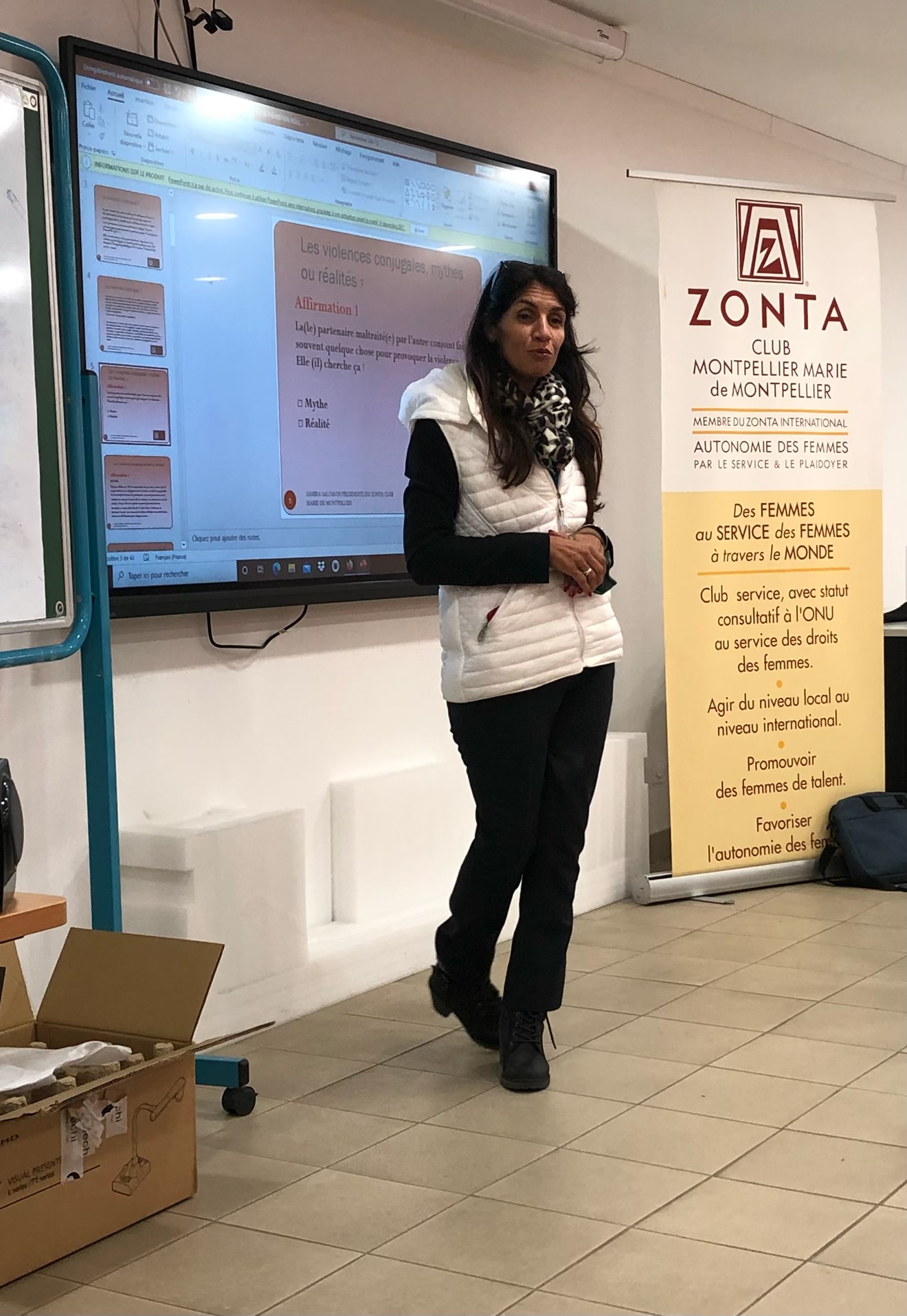
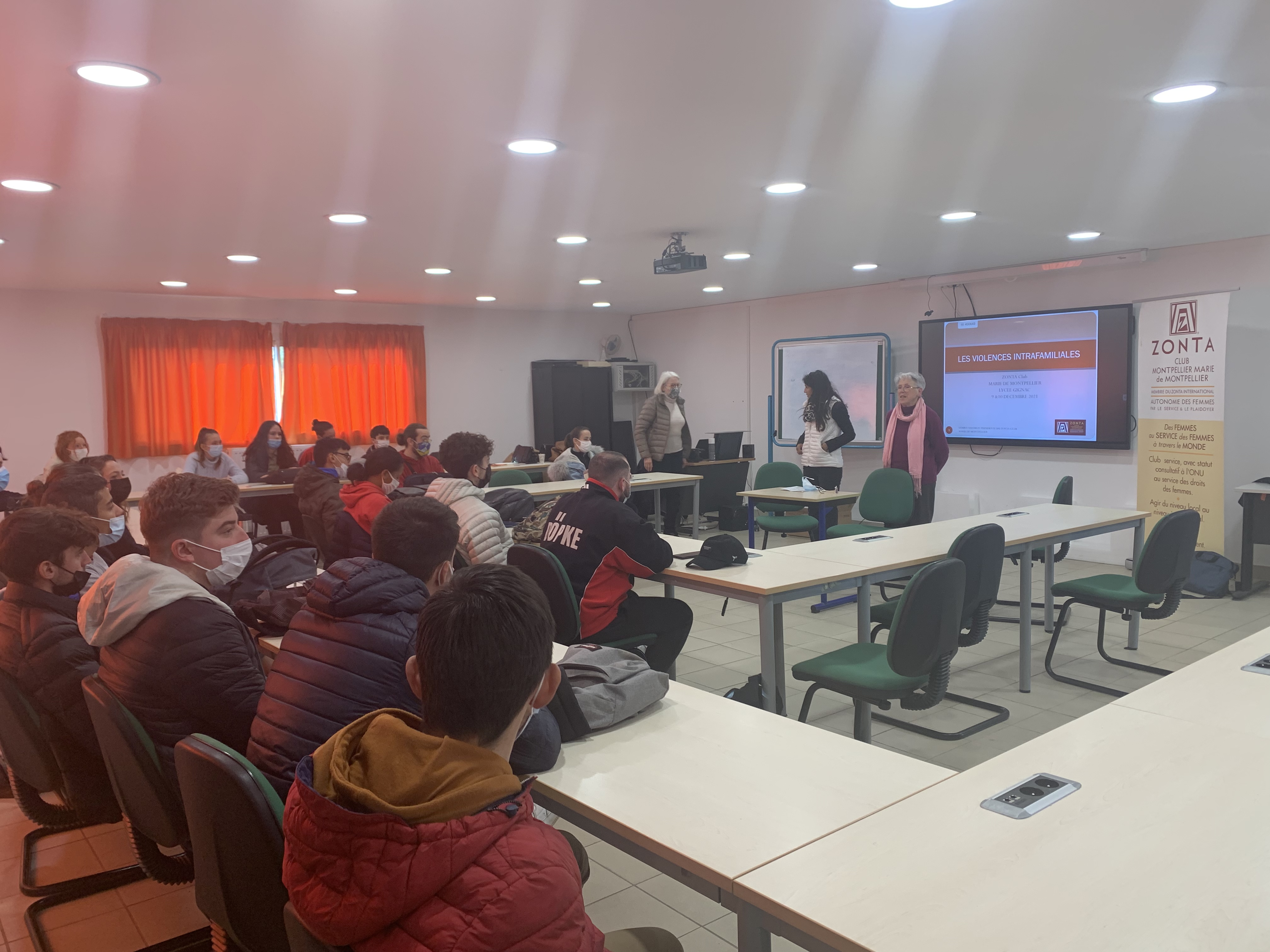
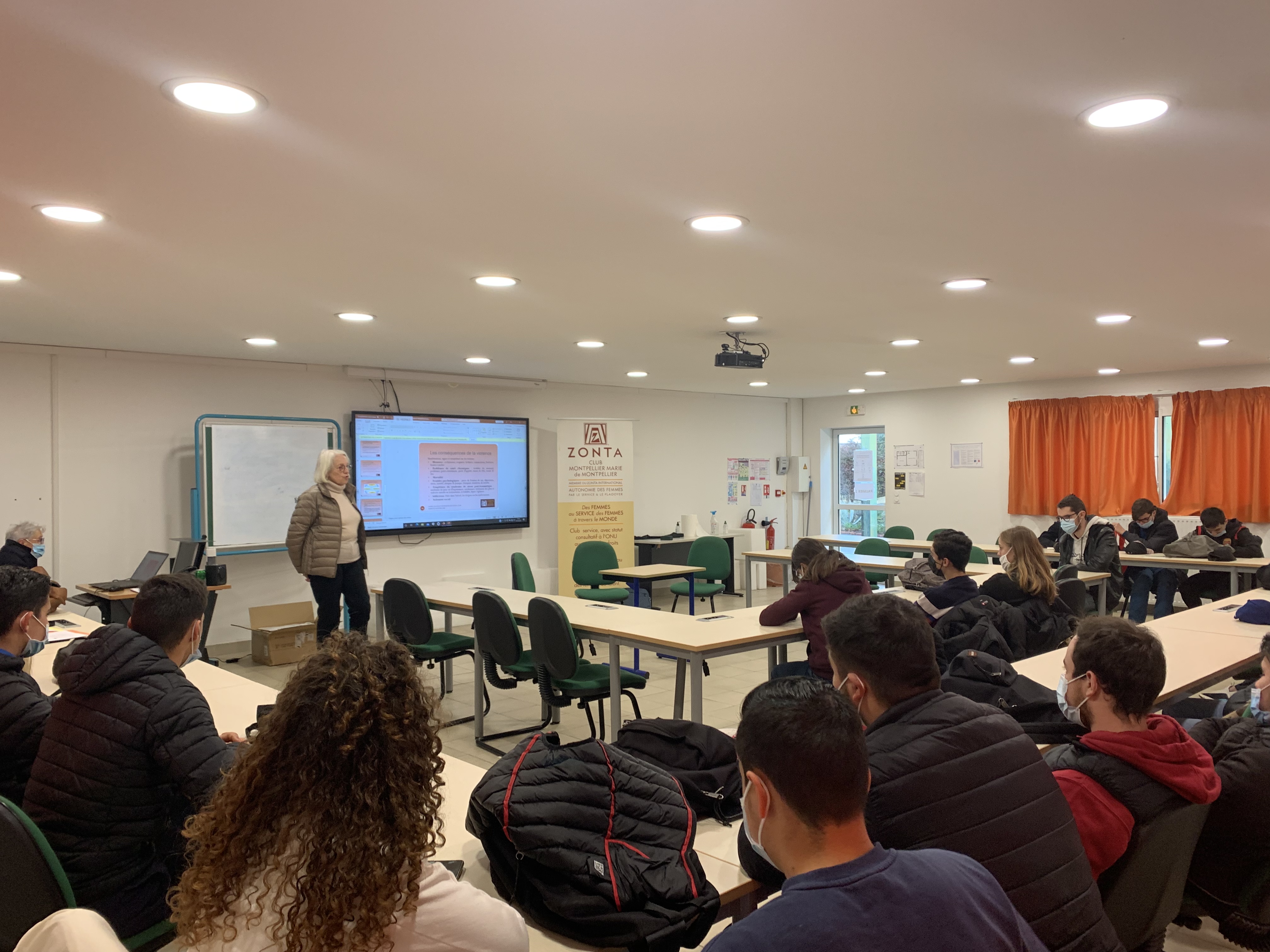
The Zonta Club of Montpellier Marie of Montpellier, France, conducted a training program for young people aged 17 to 21 in a vocational high school. The training module concerned the prevention of domestic violence.
awareness advocacy storytelling
Zonta Club of Ilocos Norte and Mariano Marcos State University College of Teacher Education Z Club presents spoken word poetry contest



The Zonta Club of Ilocos Norte and the Mariano Marcos State University, College of Teacher Education Golden Z club proudly present their Golden Voice Against Gender-Based Violence, a spoken word poetry contest.
In line with this year’s 16 Day campaign to end violence against women and children, the contest aims to amplify voices against any violence. The competition is divided into two categories, one for females with the theme of women supporting women, and the second is geared towards males with the theme of He for She.
There will be three winners in each category, and they will be given a cash prize. The club also included special prizes for the participants.
Ilocos Norte National High School Z Club plans activities to say NO

In celebration of the 16 Days of Activism Against Gender-Based Violence, the Ilocos Norte National High School Z Club planned some exciting activities to say NO to violence against women. Here are a few of their planned activities:
- Essay Writing.
- Spoken Word Poetry.
- TikTok Make-up Competition.
The club hopes contestants don’t miss out on the chance to lighten up the world by sharing their talents. Prizes will be distributed to the winners, and the club hopes that we say NO to violence against women together.
In the news: Zonta Club of Kauai at midpoint of 16 Days of Activism
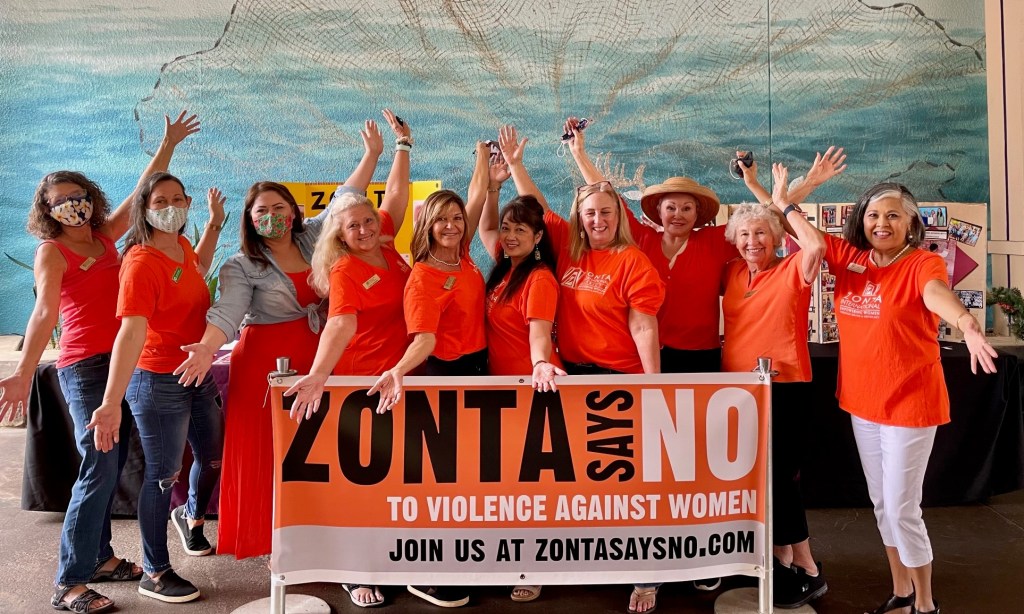
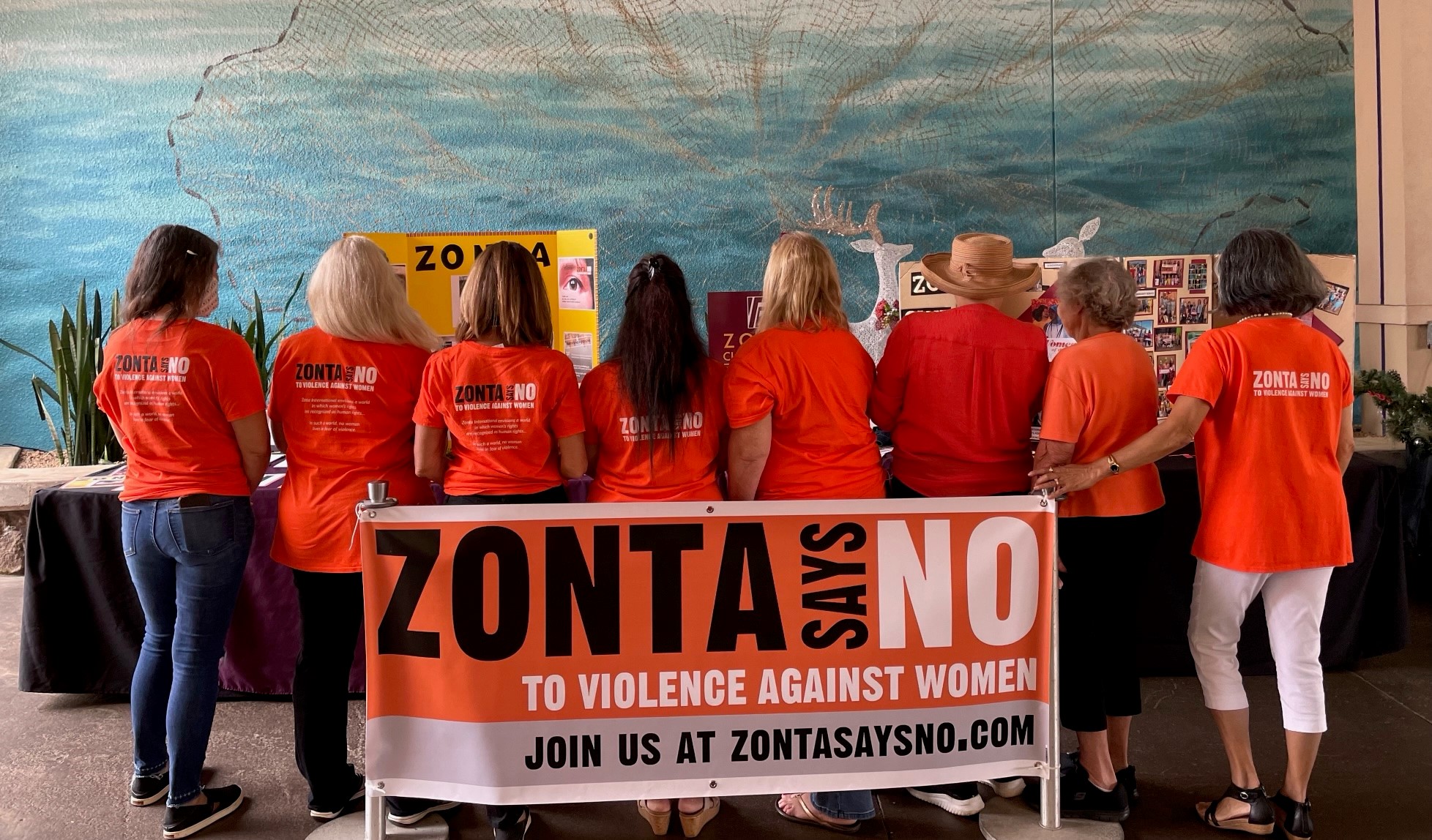
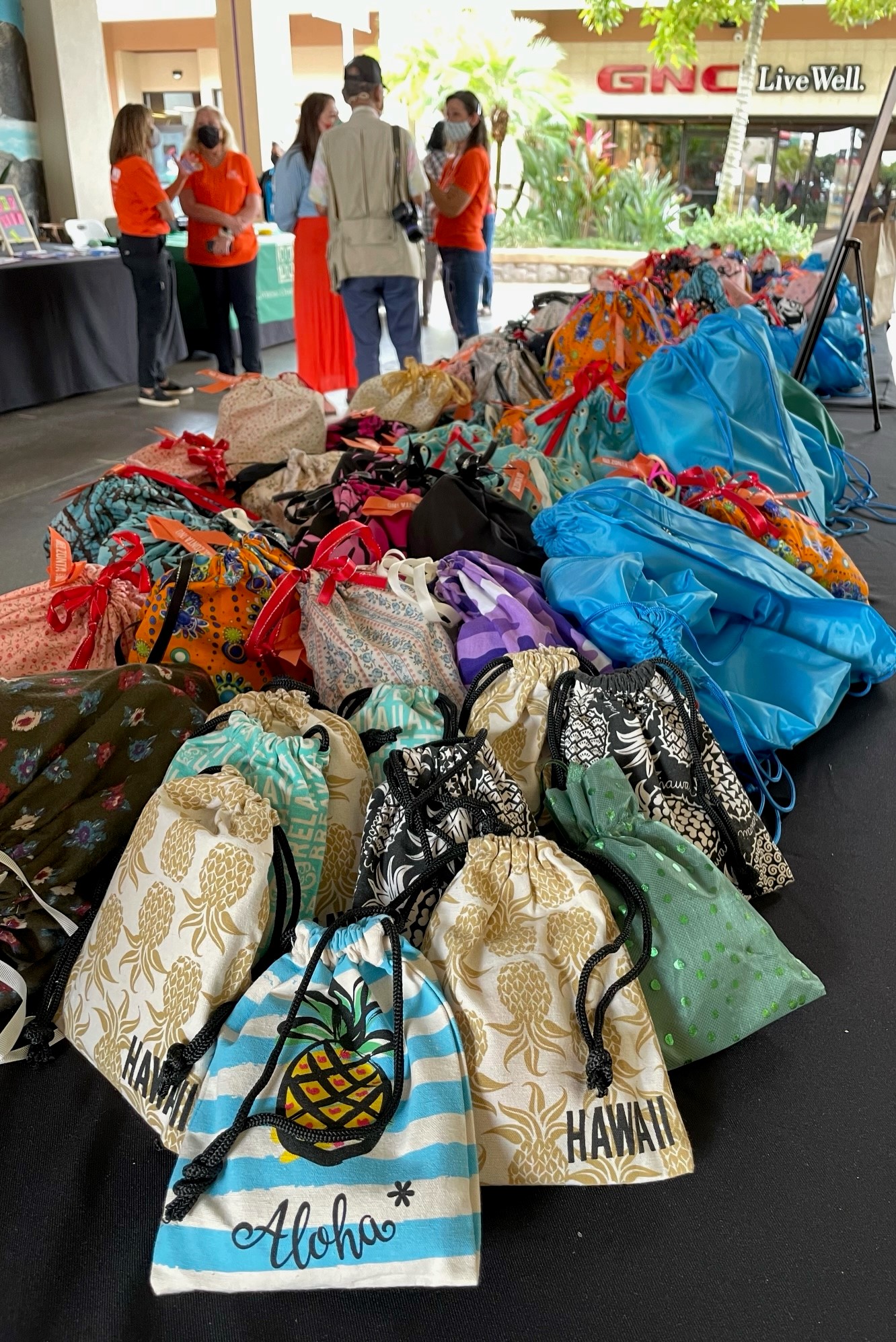
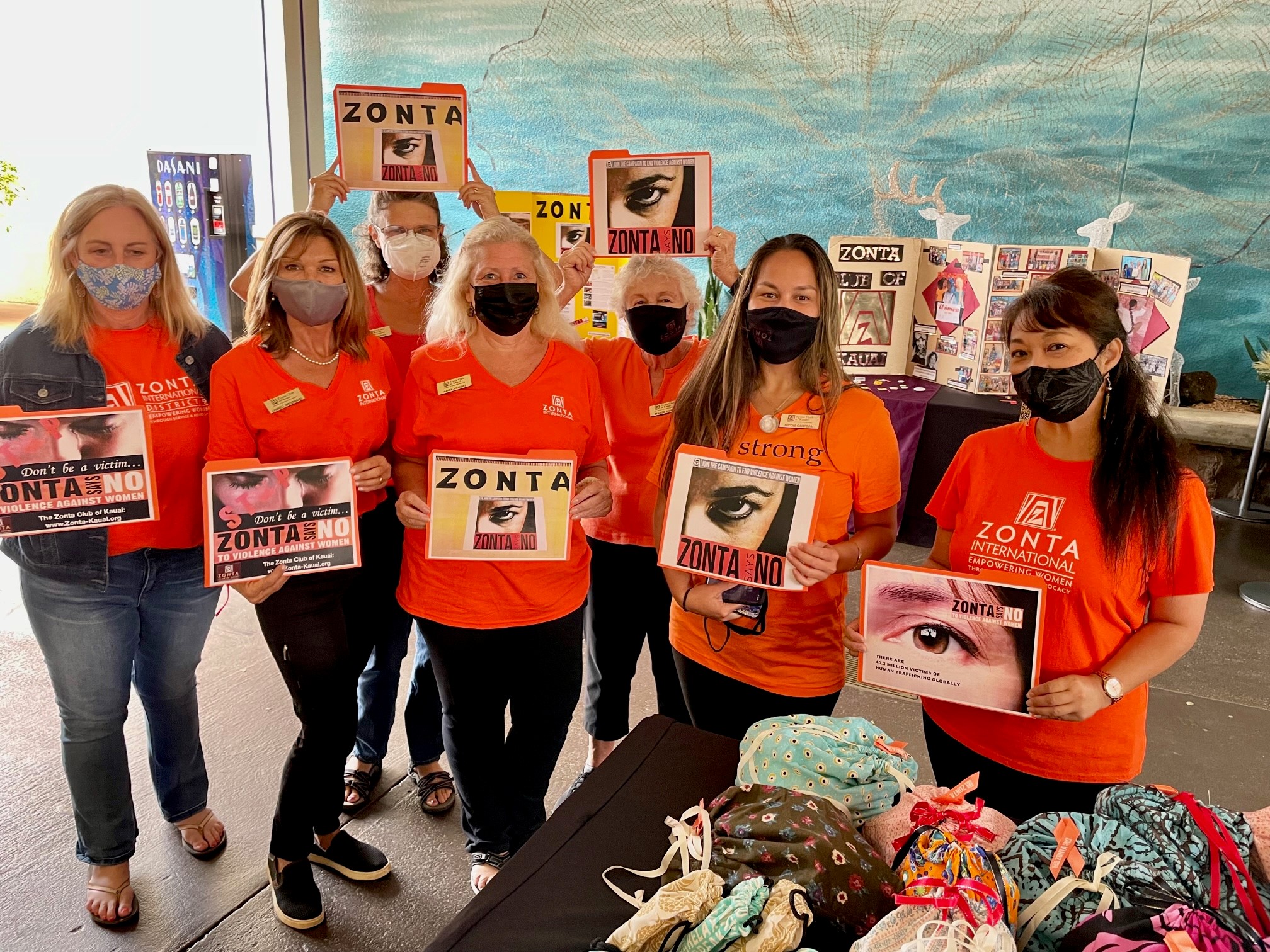
Photo: Dennis Fujimoto/The Garden Island
The Zonta Club of Kaua‘i, all garbed in orange, present some of the completed Malama Pu‘olo Na Wahine, or care bundles, to Catholic Charities and Child and Family Service, Saturday during the awareness gathering at the Kukui Grove Center.
LIHU‘E — Saturday marked the midpoint of the Zonta Club of Kaua‘i 16 Days of Activism, Zonta Says No to Violence Against Women.
The campaign to raise awareness and end violence against women and girls started on Nov. 25 and will continue until Dec. 10.
“We still have a week to go,” said Edie Ignacio Neumiller of the Zonta Club of Kaua‘i. “But instead of just raising awareness, we’re moving to action.”
Completed Malama Pu‘olo Na Wahine, or care bundles in specially-created drawstring bags created by Girl Scouts in Troops 174, 775, and 4364, were presented to representatives of Catholic Charities Hawai‘i, and Child and Family Service who were present at the Kukui Grove Center food court with information on the services each organization had to offer.
The charities were selected to receive the bundles because a lot of their clients are women and children who cannot afford the items contained in the pu‘olo, or because they are homeless.
“There is still until Friday to go,” Neumiller said. “Supplies are still coming in, and everyone is packing as more bags and supplies become available.”
Zonta Club of Kaua‘i members made a show of force, garbed in orange symbolizing a brighter future, free of violence and serving as a means of demonstrating solidarity in eliminating all forms of violence against women.
Orange also is the color of the International Day for Elimination of Violence Against Women that started Nov. 25 as part of the United Nations Educational, Scientific and Cultural Organization.
“We want to thank Sara Miura of Deja Vu Surf Hawai‘i who was so enthusiastic about collecting supplies for the care bundles,” Neumiller said. “Sara had the collection boxes ready from before the Nov. 25 start date. Today, we did a final collection and told Deja Vu to send any potential contributors to the food court.”
During the 16 Days of Activism, the Zonta Club of Kaua‘i set goals to inspire and encourage Zonta clubs and individuals to raise awareness of, and take action to prevent gender-based violence, to let individuals know they are part of a global community of activists and are empowered to take action by being part of the campaign through the donation of care items.
“We’re not just raising awareness,” Neumiller said. “We’re moving to action.”
The Zonta Club of Kaua‘i and the Zonta Club of Kaua‘i Foundation are currently partnering with The Garden Island newspaper for the Christmas Fund that provides funds for people in the Kaua‘i community who need support.
https://www.thegardenisland.com/2021/12/07/hawaii-news/zonta-club-of-kauai-at-midpoint-of-16-days-of-activism/

Zonta Club of Cebu II announces winners of photo competition in celebrating women’s resilience and strength
The Zonta Club of Cebu II, the Philippines, recently held their nationwide photo competition with the theme, “Women at the Core of the Pandemic: Celebrating their resilience and strength.” The competition was open to all photographers, amateur or professional, from all over the Philippines. It sought to celebrate the creative coping mechanisms and the pandemic risk reduction strategies that women took on to mitigate the effects of COVID-19 at personal and professional levels.
A panel of judges, composed of respected photographers and women advocates, were presented with almost 150 entries. They judged the photos based on originality, thematic integrity, technical excellence and artistic merit.
The top 30 entries were posted on FaceBook for the public to select their favorite for a chance at the People’s Choice Award. Roberto Ladres, Jr was awarded the People’s Choice Award with his photo entry, “2-in-1.” Roberto was also the first runner-up.
The winning photographer was Dionisio Salvador with his entry “Pag-aarugang Walang Kapantay,” which means “unparalleled care” in Tagalog. The second runner-up was the photo entitled “Mi Amore” by Klienne Eco.
Danilo Victoriano, Jr. won both consolation prizes with his entries “One Step Backward, Two Steps Forward” and “Drawing Therapy.” The Early Bird Prize went to Kevin Lester Martinez with his entry “The Smile of Resilience.”
In the News: Zonta Club says no to violence against women
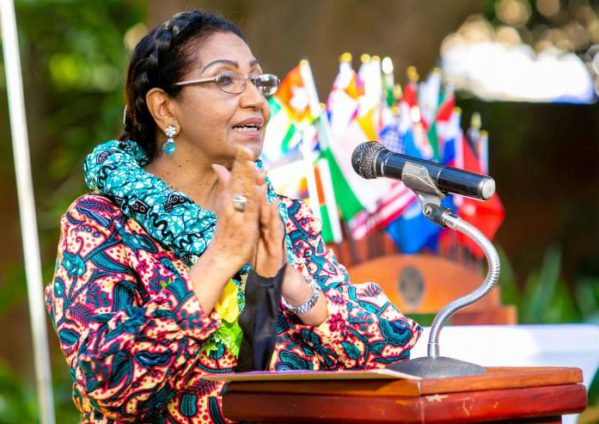
Zonta Club of Accra, together with all the other five Zonta International Clubs in Ghana, have dedicated 16 days, from 25th November to 10th December, 2021, to campaign against gender-based violence.
The activism campaign is aimed at raising awareness about the seriousness of all forms of violence and the injustices meted out to women and girls, which impinge on their human rights, thus demeaning them.
Such violence includes; forced marriages, rape, Female Genital Mutilation (FGM), human trafficking and domestic violence.”
To mark the celebration this year, Zonta Club of Accra last weekend staged a token sponsored walk to raise funds for service programmes they have embarked on to raise the status of women.
In a Media Release dated November 29, 2021, to mark the occasion, the President of the Club, Zontian Vivienne Idun-Ogde called for an end to all forms of violence against women and girls. She said the campaign is aimed at bringing change and upholding the human rights of women who form the backbone of society.
She said violence against women is a worldwide pandemic crossing every social and economic class, religion, every race and ethnicity. She added, “ Violence against women and girls occur in many aspects of life including the home, work places, on the internet, and in open space”.
Giving out some statistics, the Zonta President said: “35 percent of women will experience violence at the hands of their current or former partners in their lifetime.”
Further statistics show that 650 million women worldwide alive today were married as children. Out of that number, one in three got married before age 15. Additionally, 200 million women and girls worldwide have undergone FGM with majority of them cut at age five.
Women and girls together account for 71 percent of all human trafficking victims detected globally.
Zonta International is a leading global organisation of professionals empowering women worldwide through service and advocacy.
It envisions a world in which women’s rights are recognised as human rights and every woman is able to achieve her full potential. In such a world, no woman lives in fear of violence.
https://www.myjoyonline.com/zonta-club-says-no-to-violence-against-women/
In the News: GIVE 2021: Outreached Hand with Zonta Club Traverse City
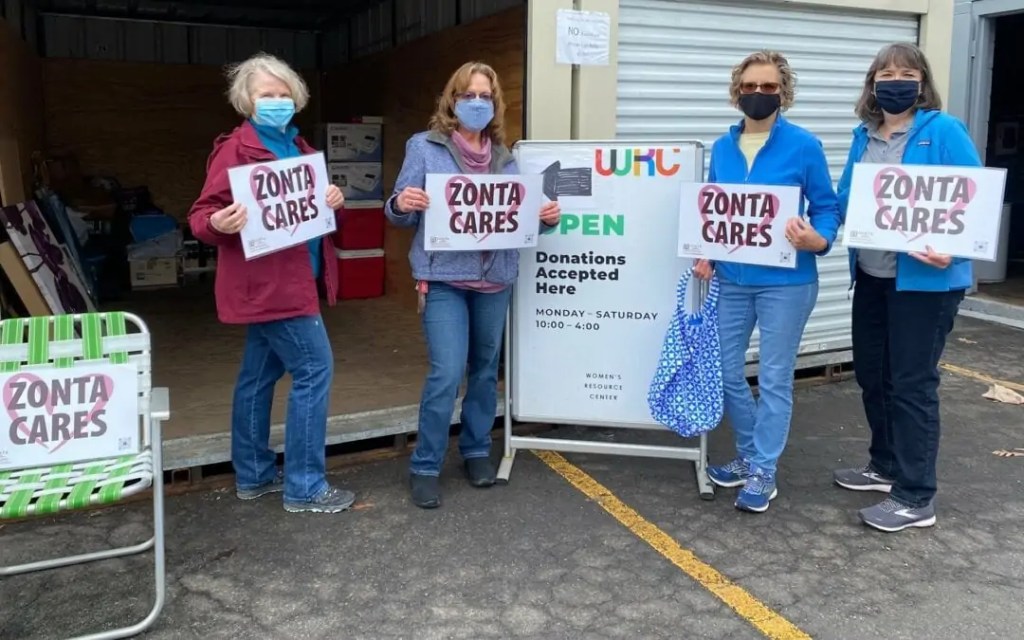
From initiatives ranging from food insecurity to affordable housing, Zonta Club of Traverse City is working to provide opportunities to help elevate the status of local women and they need your help. Learn how you can support this project and additional Northern Michigan nonprofits featured in our 2021 GIVE issue.
It’s no secret that the pandemic has hit women particularly hard—the struggle to work without childcare and the stress of having school-aged children at home has meant women losing work, leaving work, juggling remote work or trying to get to essential jobs in the workplace.
Fortunately, Zonta Club of Traverse City has their backs. With a mission to empower women through service and advocacy, this fearless group of nonprofit leaders, professionals and passionate advocates has doubled down this past year. They’ve recruited even more members, funded and supported the work of local nonprofits, and are at the ready to help area women create lasting change in their lives and families.
As advocates, members participate in Zonta Club’s international campaign to prevent violence against women and support gender equity, as well as fund nonprofits with annual grants. “What we’re doing is putting our muscle behind the local organizations who are in the trenches working for the wellbeing of women and children,” says Zonta Club of Traverse City member Dayna Ryan.
Efforts include offering hands-on service and support with local initiatives to address hunger and food insecurity, helping build affordable housing for families, supporting literacy for children, promoting breast cancer prevention and providing opportunities for young girls in the fields of science and technology.
Zonta offers annual scholarships and awards that go directly to helping women of all ages reach their goals and educational dreams. In addition, Zonta offers opportunities and financial awards to exceptional women and girls in public affairs and leadership. “The goal is to encourage and recognize these women striving to the highest levels of personal accomplishment,” says Rhonda Estes, Zonta Club of Traverse City president.
Zonta is seeking passionate advocates to join them as members in their work to help elevate the status of local women. You can also support Zonta’s efforts at their annual Festival of Trees on November 12–13. Find out more at zontacluboftraversecity.org.
https://mynorth.com/2021/11/give-2021-outreached-hand-with-zonta-club-traverse-city/
In the News: Zonta Club of Cebu 1 to hold 18-day celebration on women, girls rights
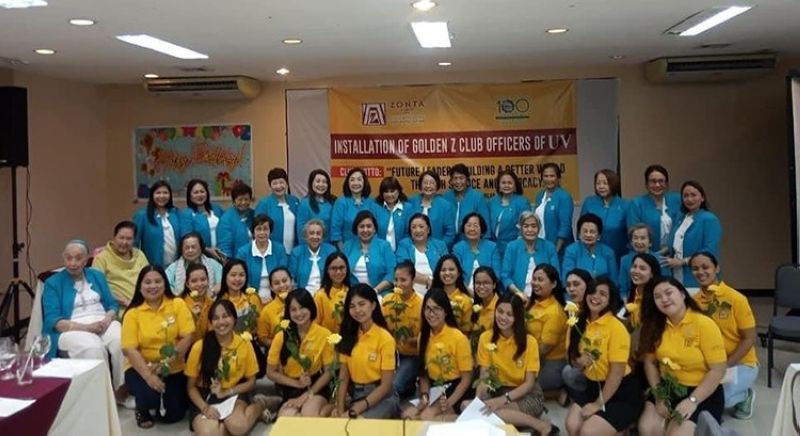
ZONTA Club of Cebu 1 is set to conduct a series of activities to promote awareness of the rights of women and girls.
The club will celebrate the annual 18 Days of Activism End Violence Against Women and Girls from November 25, 2021, which is the International Day for the Elimination of Violence against Women, until December 12.
Zonta Club of Cebu 1 is the charter Member of Zonta International in Cebu.
December 10 is the actual World Human Rights Day, but then President Gloria Macapagal-Arroyo added two more days to the celebration.
The theme of the event is “Orange The World, Leave No One Behind: End Violence Against Women and Girls.”
Women empowerment
The main vision of Zonta International is really the empowerment of women and children, said Zonta Club of Cebu 1 president Gina Garcia Atienza.
“Our club, a charter member of Zonta International in Cebu, aims to create awareness among women in the community. Women’s rights are human rights. They are not given what is due them so it’s important that they know how to protect themselves legally,” Atienza said.
For her part, Zonta Club of Cebu 1 vice president Jane Panganiban said women from the marginalized sector often experience violence.
“We feel that this activity will help empower women. Education is also empowerment,” she said.
Zonta Club of Cebu 1 will be organizing several activities such as the virtual training on gender-based violence on November 25; the tree planting and launching of Go Green Initiative on November 26; a talk on Anti-Violence Against Women and Their Children Act (Republic Act 9262) on November 26; Cyber Blast Campaign on violence against women; and poster with slogan competition.
Violence
Just like other countries, there are also cases of violence against women and children in the Philippines. According to the 2017 Philippine National Demographic and Health Survey, 27 percent of married women experienced physical, sexual and/or emotional violence by a spouse during their lifetime. Many women and children are also victims of economic abuse, where fathers, or husbands, do not provide financial support to their families.
The survey shows that 17 percent of women (aged 15-49 years old) have experienced physical violence since age 15. Also, 73 percent of cases against married women were perpetrated by a current or former husband/partner. It was also found that 51 percent of never-married women were perpetrated by a parent or step parent.
Based on the findings, five percent had experienced sexual violence that were committed by current or former husbands, partners or boyfriends.
However, only 34 percent of women who experienced physical or sexual violence sought help through formal systems, according to the survey results.
Through its activities, Zonta Club of Cebu 1 aims to encourage women to stand for their rights.
https://www.sunstar.com.ph/article/1913810/Cebu/Local-News/Zonta-Club-of-Cebu-1-to-hold-18-day-celebration-on-women-girls-rights
In the News: Zonta launches 16 Days of Activism magazine
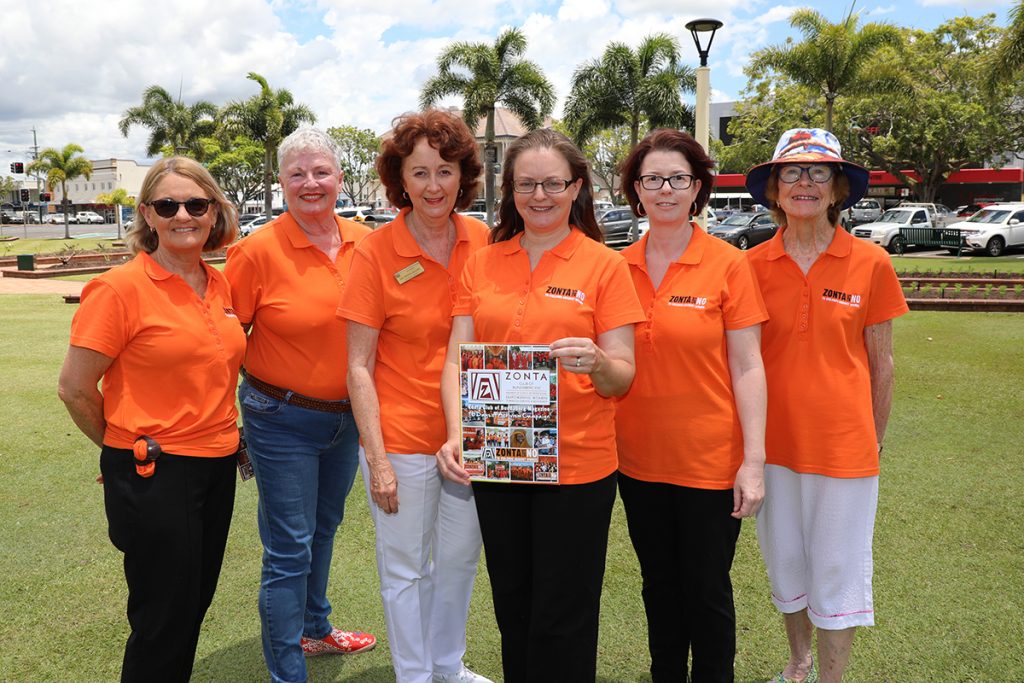
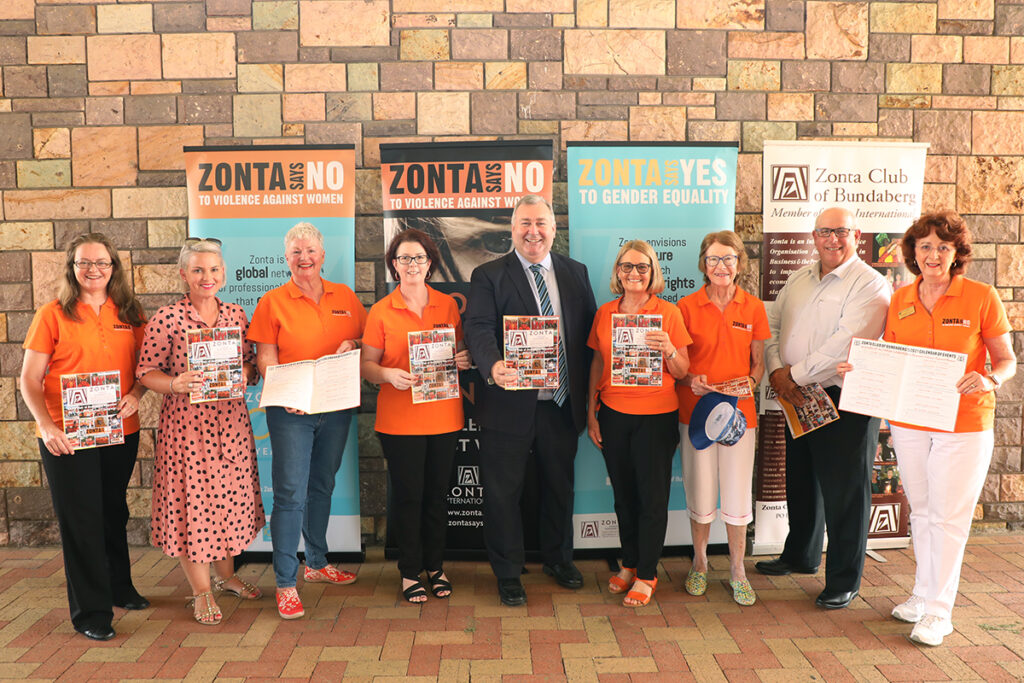
The Zonta Club of Bundaberg has released a magazine as part of their 16 Days of Activism Campaign to support eliminating violence against women and girls.
Hot off the press and now being distributed throughout the region, the magazine highlights the activities of the campaign which runs from 2 November through to 10 December, along with valuable information and stories about Zonta, its members and more.
With just days until the sold out Add Your Voice – Zonta Says No to Domestic Violence breakfast fundraiser on Saturday 20 November, the organisation is calling on the community to support the campaign.
“This year, we are doing something a little different and are raising funds for both the Small Steps for Hannah Foundation as well as local educational and domestic violence programs,” President of the Zonta Club of Bundaberg Le-Anne Allan said.
“We chose Small Steps 4 Hannah because their vision aligns to the Zonta vision.”
“They are about educating, advocating and supporting people around domestic and family violence.”
“They are also focused on funding projects to deliver awareness, education and support.”
Special guest speaker for the breakfast is Laura Bos who is a founding board member of Small Steps 4 Hannah.
The organisation was established after the tragic loss of Hannah Clarke and her children in February 2020.
Laura was instrumental in supporting the Clarke family to develop the organisation’s strategy and be the champions of changes to laws around coercive control.
A passionate advocate of supporting people to be ‘better humans,’ Laura has championed programs and worked with many organisations that are focused on support and education, believing that, in the words of Maya Angelou, “when you know better, you do better.”
What is the 16 Days of Activism Campaign?
The 16 Days of Activism Campaign is about eliminating violence against Women and Girls.
During this period (25 November to 10 December) Zonta Clubs around the world unite to highlight the Zonta International Campaign to eliminate violence against women and girls.
Held on 25 November is the United Nations Day for the elimination of violence against women and 10 December is the United Nations Day for Human Rights.
Between these two dates is the 16 Days of Activism Campaign.
https://www.bundabergnow.com/2021/11/19/zonta-launches-16-days-of-activism-magazine/
Zonta Club of Seguin proclaims 16 Days of Activism in their hometown
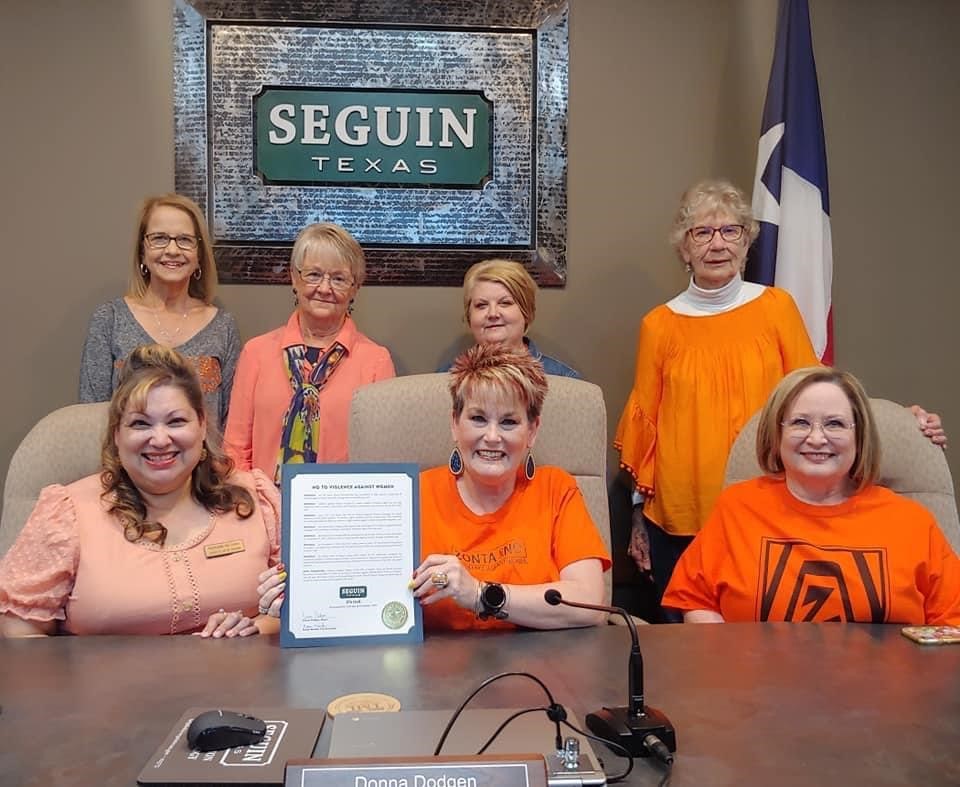
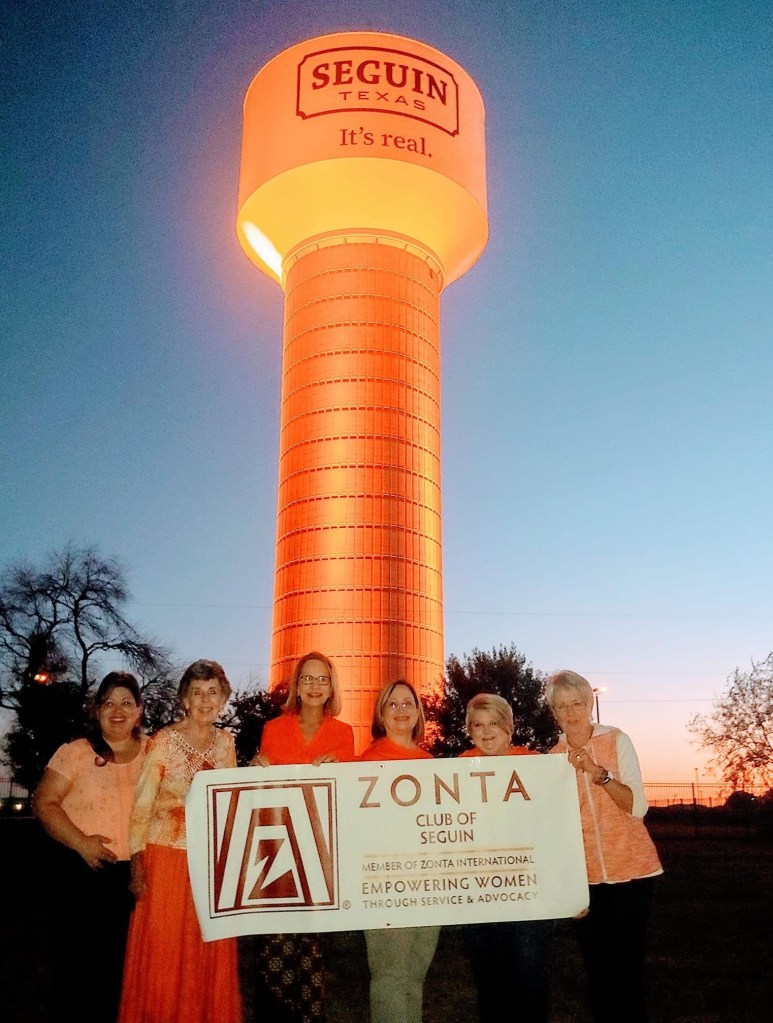
The Zonta Club of Seguin, USA, is raising awareness of violence towards women in their community.
A proclamation was signed by the club and the mayor of Seguin, Donna Dodgen, to announce 25 November 25- 10 December officially as the 16 Days of Activism against gender-based violence in Seguin.
Mayor Donna called upon all citizens to join her in recognizing the club’s impact on advancing the status of women locally and throughout the world.
The city’s water tower will also be lit orange to raise awareness on violence against women.

