
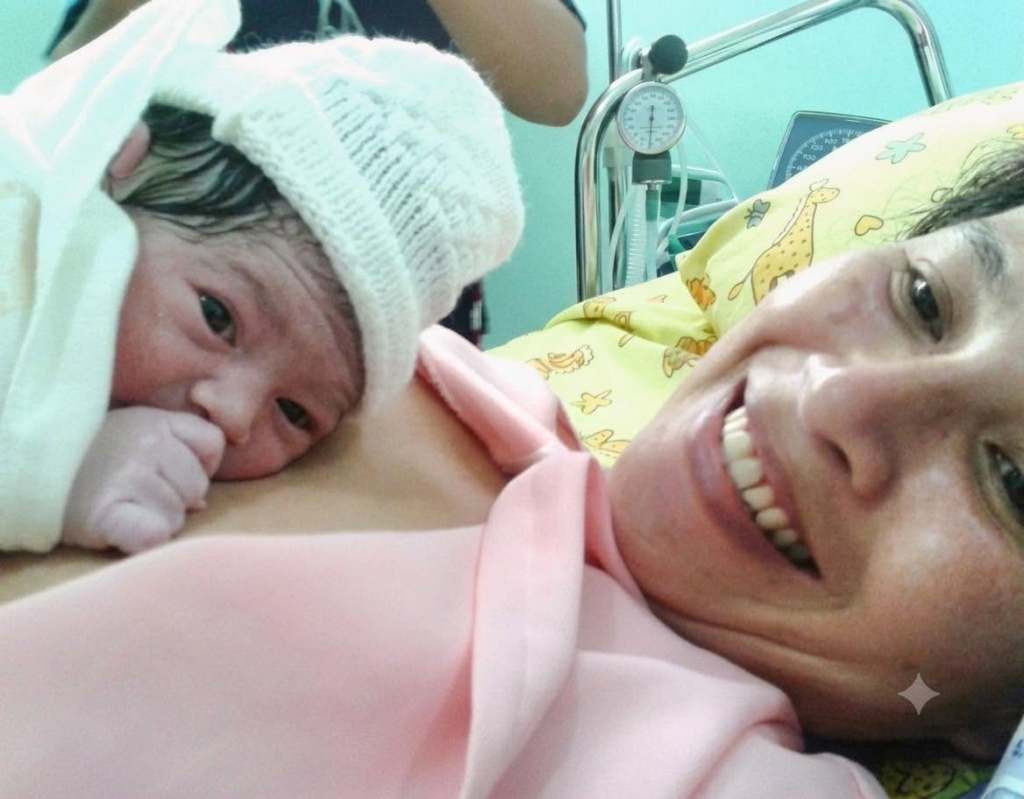
In celebration of World Breastfeeding Week, the Zonta Club of Metro Greenhills, Philippines, conducted a breastfeeding webinar, bringing together 111 participants, including mothers, expectant parents, doctors, nurses, midwives and community advocates.
The webinar highlighted that breastfeeding is more than a health practice, but an investment in stronger families and safer communities.
The sessions addressed common concerns that often discourage mothers from breastfeeding, including Unang Yakap (a protocol for newborn care in the Philippines that uses four steps right after birth to save infant lives), overcoming low milk supply, and relactation. Participants also explored evidence-based approaches that dispelled long-held myths and cultural practices, replacing fear and uncertainty with confidence and practical solutions. Mothers were encouraged to trust their bodies, seek support when challenges arise and recognize that every breastfeeding journey is unique.
The webinar emphasized that responsive caregiving and early parent-child bonding help build trust and open communication within families. While breastfeeding alone does not prevent violence, nurturing relationships can become important protective factors that help children feel safe to speak up, reducing their vulnerability to abuse, including online sexual abuse and exploitation of children.
Beyond providing complete nutrition and immunity, breastfeeding also eases the financial burden on families by reducing dependence on costly formula milk.
Participants were challenged to become advocates by sharing the webinar’s messages with other families and healthcare professionals.
Love Smart, Live Safe
Share an Opportunity (SOA) Philippines conducted “Love Smart, Live Safe,” a webinar designed to equip young people with practical tools to develop healthy relationships, recognize and communicate boundaries, prevent violence and become advocates for positive change.
Through the Zonta Club of Metro Greenhill’s partnership with SOA, they are helping promote a culture in which respect, personal boundaries and safety become part of everyday relationships.
The importance of the discussion became clear when a participant shared the experience of a mother who attended the webinar and recognized unhealthy patterns in her own relationships. Her boundaries with siblings and friends had gradually disappeared, something she had previously considered normal. The session helped her view those relationships differently and feel more confident about establishing healthier boundaries.
Together, the webinars demonstrate how education and advocacy can give individuals practical tools to strengthen relationships, make informed choices and help prevent violence.

